
EICR Codes: C1, C2, C3 and FI in Plain English
EICR codes rate each problem found during an electrical inspection. C1 means danger is present and needs immediate action, C2 means potentially dangerous and needs urgent repair, C3 means improvement is recommended, and FI means further investigation is needed without delay. Any C1, C2 or FI makes the whole report unsatisfactory.
Sam Ward Electrical, NAPIT registered (membership 63406). Last reviewed:
At a glance
- C1
- Danger present: immediate action required
- C2
- Potentially dangerous: urgent remedial action required
- C3
- Improvement recommended
- FI
- Further investigation required without delay
- Unsatisfactory
- Any C1, C2 or FI on the report
What do EICR codes mean?
EICR codes tell you how serious each observation on an electrical installation condition report is. The inspector decides each code based on the installation in front of them; the examples below are typical, not automatic.
| Code | Meaning | What to do | Typical examples |
|---|---|---|---|
| C1 | Danger present | Make safe immediately, usually before the electrician leaves | Exposed live parts, a badly damaged accessory with live parts accessible |
| C2 | Potentially dangerous | Urgent remedial work | Missing earthing to a circuit, signs of overheating, no main protective bonding |
| C3 | Improvement recommended | Not required for a satisfactory report, but worth planning | No RCD protection on some circuits where it is not otherwise dangerous |
| FI | Further investigation needed | Investigate without delay | A circuit that could not be traced, or unexpected test results |
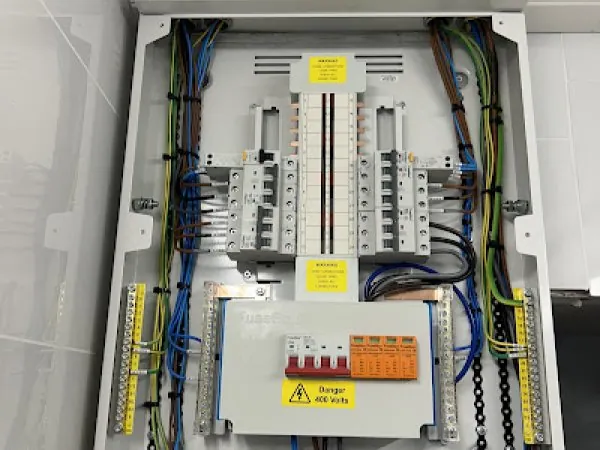
Which codes make an EICR unsatisfactory?
Any C1, C2 or FI observation makes an EICR unsatisfactory. A report with only C3 observations, or none at all, is satisfactory. The overall result is shown on the front of the report, so check it first.
What should I do about a C1 or C2?
Treat a C1 as an emergency: the electrician will normally make it safe straight away, for example by isolating the circuit. A C2 needs urgent remedial work. Once the work is done you receive a certificate for the repair, which together with the report shows the installation is now safe.
Do I have to fix C3 observations?
No. C3 observations do not make a report unsatisfactory and there is no legal duty to fix them. They are still worth planning for, because many relate to older equipment that will need upgrading eventually, such as a consumer unit without RCD protection.
What does FI mean on an EICR?
FI means the inspector found something that could not be fully assessed during the inspection, such as a circuit that could not be traced or a reading that needs explaining. It must be investigated without delay, and the result may turn into a C1, a C2 or no issue at all.
How quickly must landlords fix EICR faults?
Private landlords in England must complete remedial work or further investigation within 28 days, or sooner if the report says so, and give written confirmation to the tenant and the local council within 28 days of completing it. Our landlord electrical safety guide covers every deadline under the 2020 regulations.
Sources and further reading
- Electrical Safety Standards in the Private Rented Sector (England) Regulations 2020 (legislation.gov.uk)
- Electrical safety standards guidance for landlords and tenants (GOV.UK)
- Electrical Safety First